


The physiological balance of the skin is very important for good skin health in children.
The skin's pH is a reliable indicator for maintaining this balance. By using very aggressive cleansing products, this balance will be destroyed. Result: dry, sensitive or even eczematous skin in children.
What is pH?
pH determines the acidity or alkalinity of a solution and is measured on a scale of 0 to 14. The reference pH corresponds to a neutral pH (7 on the scale). If the solution has a pH greater than 7, it is said to be basic (or alkaline). Conversely, if the pH is less than 7, the solution is said to be acidic.
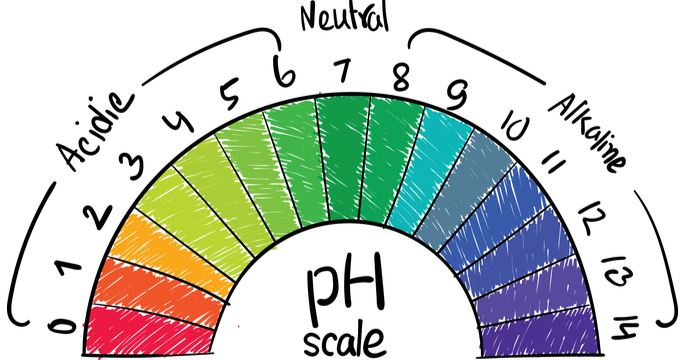
Understanding children's skin pH
At birth, the skin is almost neutral with a pH of 6.6 (1). From one month onwards, the skin's pH naturally aligns with that of adults (5.5). In reality, the pH varies according to different parts of the body. For example, the pH of the back of the hand is 5.5 or 5.8, while that of the face varies between 4.0 and 5.5 (2).
Where does this acidity come from?
The origin of this acidity is not entirely clear. However, there are two theories:
- It would come from the lactic acid naturally present in our sweat.
- It would come from the fatty acid contained in our sebum.
Why is maintaining a good pH very important for the skin?
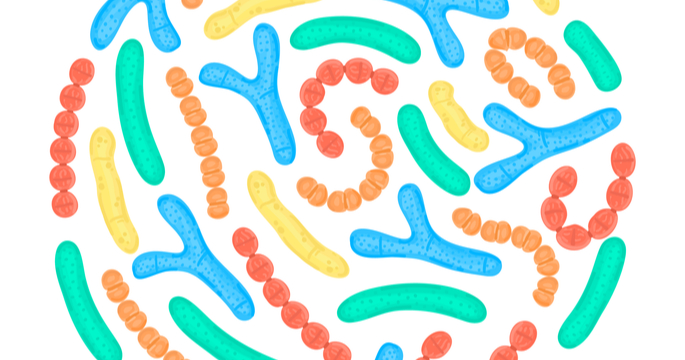
Just like the intestines, our children's skin is home to a community of billions of microorganisms. This includes beneficial microbes. This "skin flora" is also known as the microbiome. Like an invisible ecosystem living on our skin, pH provides a favorable environment for good microbes and prevents the growth of potentially pathogenic microorganisms (which can cause diseases).
How to maintain a good skin pH?
It's simple: avoid using aggressive cleansing products or those that do not respect the skin's natural pH, i.e., soaps or cleansing products containing sulfates.
If you have any questions, please feel free to leave a message on our website or contact us by email at coucou@lilikiwi.fr. We will be happy to answer you quickly!
Sources:
(1) Behrendt H. Green M. Skin pH pattern in the newborn infant. J Dis Child 1958; 95: 35-41
(2) Braun-Falco O, Korting HC. Der nromal pH-Wert der Haut. Hautarzt 1986; 37: 126-129.
(3) Fluhr, J.W. and Elias, P.M. Stratum corneum pH: formation and function of the ‘acid mantle’. Exog. Dermatol. 1, 163–175 (2002).
(4) Rippke, F., Schreiner, V. and Schwanitz, H-J. The acidic milieu of the horny
(5) Fluhr, J.W., Kao, J., Jain, M., Ahn, S.K., Feingold, K.R. and Elias, P.M. Generation of free fatty acids from phospholipids regulates SC acidification and integrity. J. Invest. Dermatol. 117, 44–51 (2001).