


What are Polyols?
Polyols, also known as sugar alcohols, are natural sweeteners that provide sweetness without the harmful effects of sugar. Unlike traditional sugars (from the saccharide family) such as glucose and fructose, polyols do not promote dental cavity formation, making them ideal ingredients for oral hygiene products.
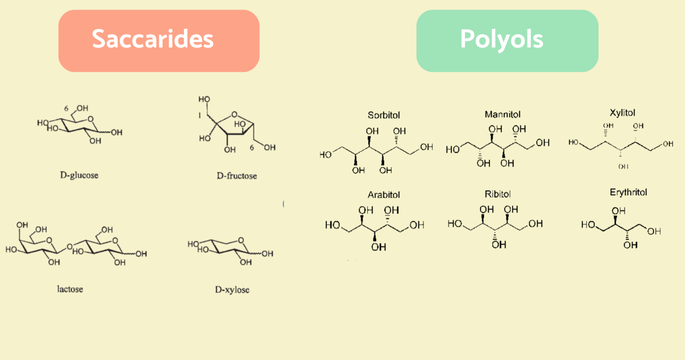
Xylitol (Birch Sugar): An Ally Against Cavities
Naturally present in birch sap, xylitol is a polyol widely used in children's toothpastes due to its anti-cariogenic properties. Here are some reasons why xylitol is beneficial:
Reduction of Dental Plaque: Xylitol inhibits the growth of bacteria responsible for plaque formation, particularly Streptococcus mutans, which is a key player in the development of cavities.
Acid Neutralization: Unlike sugars that ferment and produce acids harmful to tooth enamel, xylitol helps maintain a neutral pH in the mouth, thereby protecting enamel from acid attacks.
Saliva Stimulation: Xylitol stimulates saliva production, which plays a crucial role in tooth remineralization and protection against demineralization. Furthermore, it works synergistically with fluoride to combat cavities even more effectively.
Sorbitol (Rowanberry Sugar): A Humectant and More
Naturally found in rowanberries, sorbitol is another polyol frequently used in children's toothpastes. Its benefits include:
Natural Humectant: Sorbitol helps maintain toothpaste moisture, ensuring a pleasant and easy-to-apply texture. This prevents the product from drying out, thus extending its shelf life.
Sweetness without Cavities: Like xylitol, sorbitol does not contribute to dental caries formation. It offers pleasant sweetness without the harmful effects of sugar.
Compatibility with Active Ingredients: Sorbitol is stable and compatible with many active ingredients used in toothpastes, allowing for the creation of effective and safe formulations for children.
Erythritol (Algae Sugar): A Versatile Polyol
Naturally present in certain mushrooms and algae, erythritol is a lesser-known but equally effective polyol. Its benefits include:
Excellent Antimicrobial Properties: Erythritol inhibits the growth of bacteria and fungi in the mouth, thus reducing the risk of oral infections and cavities.
Cooling Effect: Erythritol provides a cooling effect in the mouth without the need for menthol, which is prohibited for young children due to its potentially irritating effects.
Conclusion
Adding polyols such as xylitol, sorbitol, and erythritol to children's toothpastes offers numerous benefits. These ingredients not only improve the texture and stability of the toothpaste but also play a crucial role in preventing cavities and promoting oral health. By choosing toothpastes containing these polyols, parents can be assured that they are providing their children with optimal protection against cavities while avoiding the risks associated with traditional sweeteners. Good oral hygiene from an early age is essential for healthy teeth and gums throughout life.